Native iOS and Android applications
Swift and SwiftUI for iOS, Kotlin and Jetpack Compose for Android, for apps that need deep device access or the best possible performance.

Native apps in Swift and Kotlin and cross-platform apps in React Native and Flutter, built for real-world usage and maintained long after launch, with store releases handled end to end.
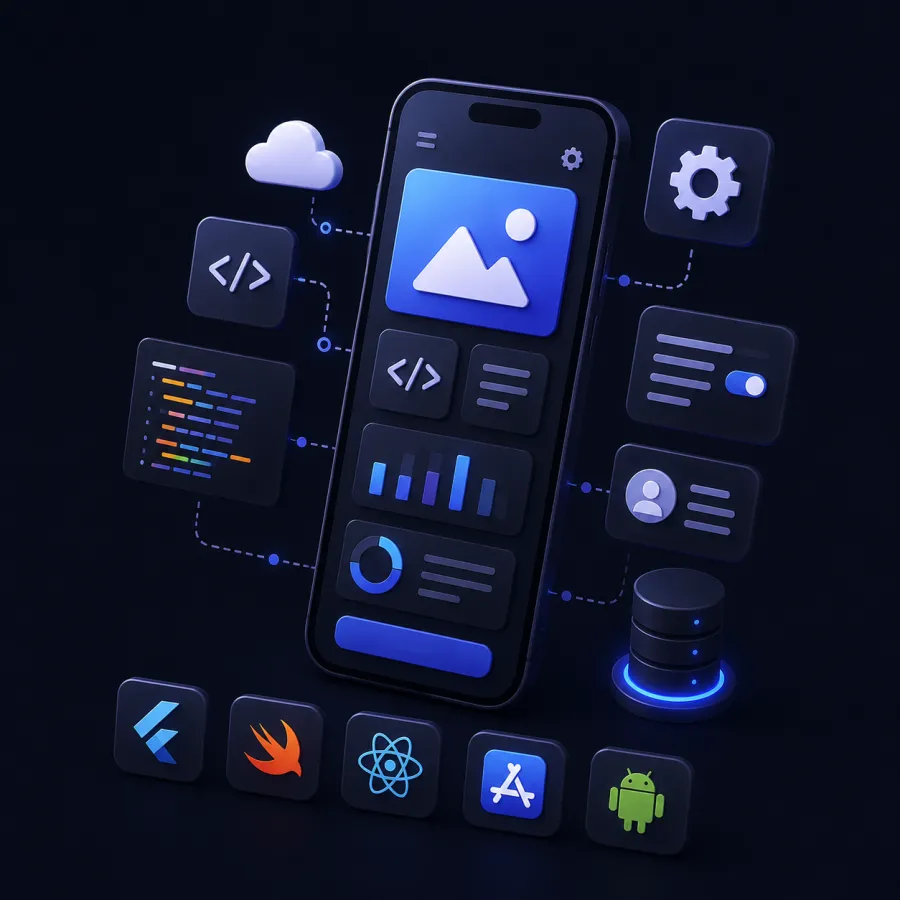
A mobile app has to work in places a website never sees: poor connections, old phones, background restrictions and store reviews that can delay a launch by days. We build apps with those conditions in mind, from the first screen to the release checklist.
For most products we recommend one cross-platform codebase in React Native or Flutter, which keeps cost and maintenance down while still feeling native. When an app depends heavily on device features, such as health data, Bluetooth hardware or advanced camera work, we build natively in Swift and Kotlin. We explain the trade-off for your app before you choose.
We handle App Store and Google Play submission under your own developer accounts, set up push notifications, analytics and crash reporting, and stay on after launch for OS updates and new features.
Swift and SwiftUI for iOS, Kotlin and Jetpack Compose for Android, for apps that need deep device access or the best possible performance.
React Native and Flutter apps that share most of their code across iOS and Android, so features ship to both platforms at the same time.
Store listings, screenshots, privacy disclosures and review guidelines handled for you, with fixes if a reviewer asks for changes.
In-app purchases and subscriptions, Apple Health and Google Fit, location and maps, push notifications, and offline storage that syncs when the connection returns.
Each new iOS and Android release can break something. We test against new versions, update dependencies and keep your app accepted by both stores.
We map the core user journeys and decide between cross-platform and native based on the features your app needs.
Screens and flows designed for both platforms, tested as a prototype before development starts.
Features delivered in milestones with test builds on your phone through TestFlight and internal testing tracks.
Submission to both stores under your accounts, then monitoring, fixes and updates after launch.
Every project starts with a free discovery call and a written estimate split into milestones. Choose the model that fits:

The mobile companion to the LucoPet ecosystem, carrying the same 3D design language to iOS and Android.
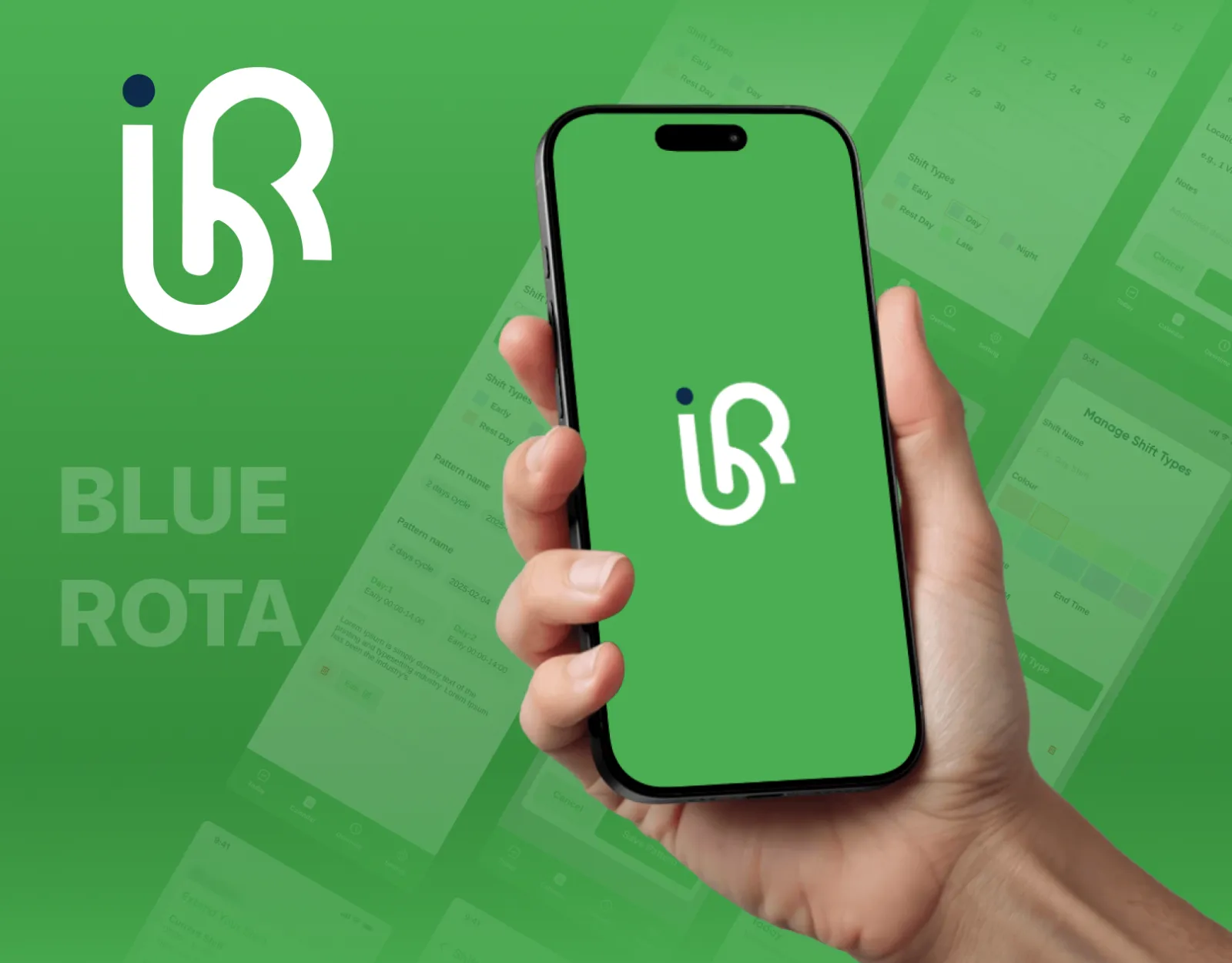
Mobile app design and development for Blue Rota.
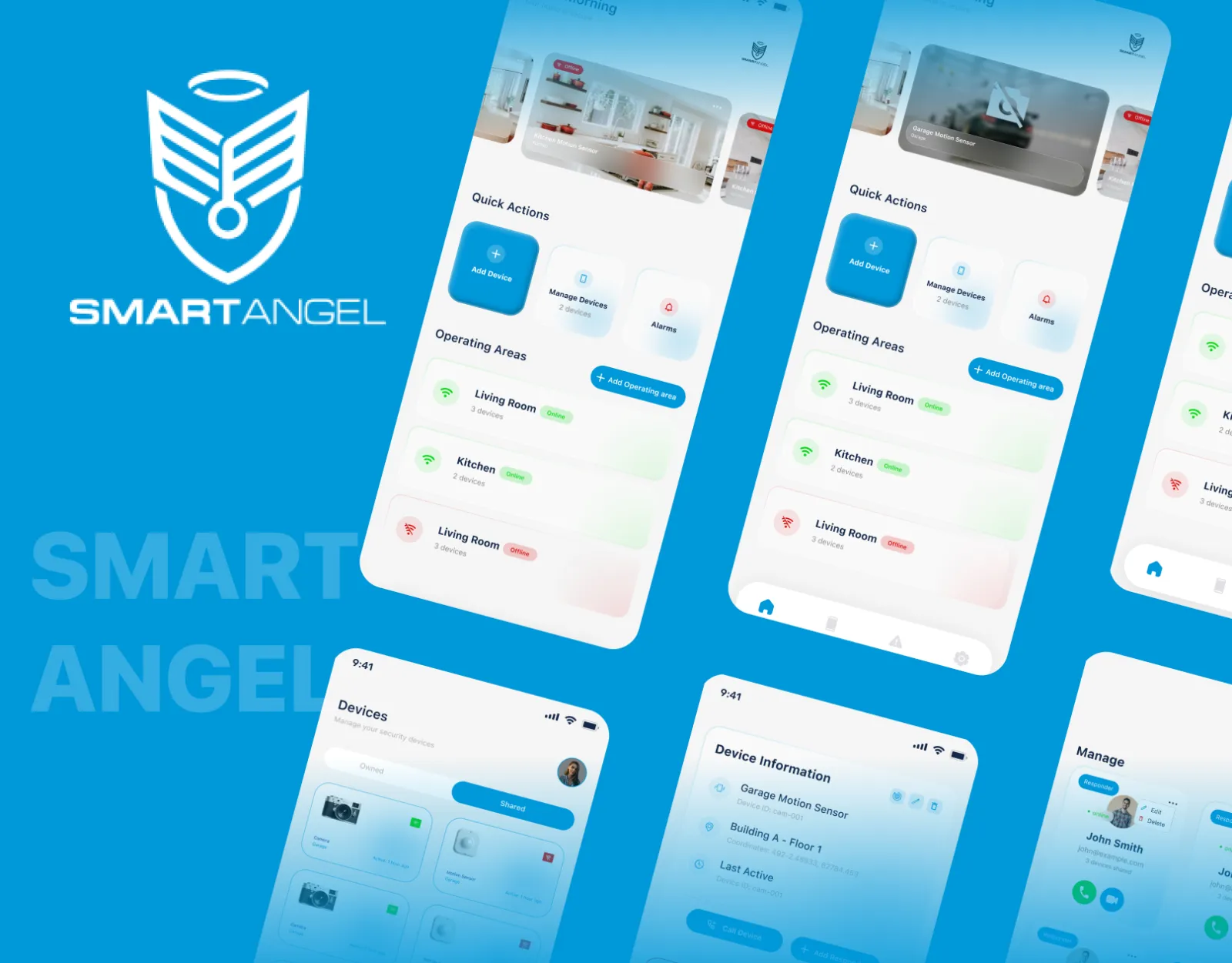
App design and development for Smart Angel.
Audio Streaming
Podcast, radio and audiobook streaming platform on web, iOS and Android, built on 7 microservices.
What clients usually ask before starting a mobile app development project with us.
Another question? Email info@mercurysols.org.
For most business and consumer apps, cross-platform with React Native or Flutter is faster and cheaper to maintain. Native makes sense when the app relies on advanced device features or heavy graphics. We recommend one after reviewing your feature list.
Yes. We prepare the listings and handle submission under your own developer accounts, so the app and its reviews stay yours. Store review times are set by Apple and Google, so we plan launch dates with a buffer.
Yes. We store the data the user needs on the device and sync changes when the connection returns, with rules for handling conflicts.
Yes. We have connected apps to smart home devices and to health platforms such as Apple Health. We confirm the device APIs early, since they often decide the approach.
Usually, yes, for accounts, data and notifications. We build it with Node.js, Python, Firebase or Supabase depending on the app, and it can also serve a web version later.
We test your app against the beta versions and ship any fixes needed, either as needed or as part of a maintenance plan.
Tell us what you want to build. New builds, ongoing work or maintenance, on fixed-price, hourly or dedicated-team terms. We reply within 1 business day.